
Understanding the psychological triggers that drive gambling behavior
The Allure of Uncertainty
The excitement of gambling often stems from the thrill of uncertainty. Players are drawn to the unpredictability of outcomes, as this element of chance offers a unique rush that can be addictive. This unpredictability not only heightens the emotional stakes but also allows individuals to imagine the various possibilities of winning, which can enhance their overall experience. For those looking for alternatives, trying a no kyc crypto casino may introduce a different layer of excitement and adventure.
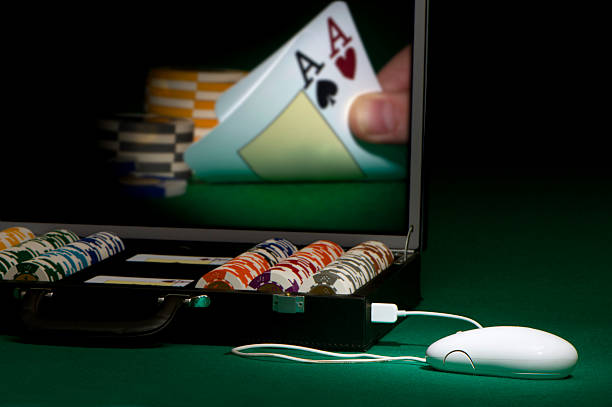
Furthermore, the brain’s reward system plays a crucial role in this attraction. When individuals engage in gambling, they experience the release of dopamine, a neurotransmitter associated with pleasure and reward. This surge can lead to a craving for more gambling, reinforcing the behavior and creating a cycle that’s hard to break. As players chase the high of a win, they may overlook the risks involved, further fueling their desire to gamble.
The Role of Social Influence
Social dynamics significantly impact gambling behavior. Peer pressure and the desire for social acceptance can drive individuals to gamble, often leading them to partake in activities they might otherwise avoid. The communal aspect of gambling, whether in a casino or online, creates a sense of belonging that can be enticing. People may feel encouraged to join in, especially when they see others celebrating wins, thus normalizing the behavior within their social circles.
Additionally, marketing and advertisements are designed to appeal to social triggers. Promotions that highlight social experiences, such as group activities or competitions, often entice individuals who seek connection and camaraderie. This communal experience can make gambling seem not only acceptable but also desirable, further pushing individuals toward habitual gambling behavior.
The Impact of Emotional State
Emotional states have a profound influence on gambling behavior. Many individuals turn to gambling as an escape from stress, anxiety, or depression. This coping mechanism can create a false sense of security, as gambling might provide a temporary distraction from life’s challenges. However, this behavior can quickly spiral, with emotions driving individuals to gamble more in hopes of finding solace or happiness in the outcomes.
Moreover, the interplay of emotions such as excitement and frustration can further complicate gambling behavior. A win can elevate mood and reinforce the desire to continue playing, while a loss may lead to attempts to chase losses in an effort to regain a sense of control. This emotional rollercoaster contributes to the cyclical nature of gambling addiction, making it difficult for individuals to recognize when their behavior has become problematic.
Cognitive Distortions in Gambling
Cognitive distortions, such as the illusion of control or the gambler’s fallacy, are significant factors that influence gambling behavior. Many players believe they can influence outcomes through skill or strategy, even in games of pure chance. This belief can lead individuals to engage in excessive gambling, as they become convinced that they can “beat the odds.” Such misperceptions can distort reality and lead to financial loss.
In addition, the gambler’s fallacy—a belief that past outcomes influence future results—can drive individuals to continue gambling despite repeated losses. Players may think that a win is due after a series of losses, leading to an endless cycle of gambling in hopes of achieving a perceived inevitable victory. Understanding these cognitive distortions is essential for recognizing the psychological factors that lead to persistent gambling behavior.

Explore More About Gambling Psychology
Understanding the psychological triggers that drive gambling behavior is crucial for anyone seeking to navigate this complex landscape. Our website provides a wealth of resources and insights into the various factors influencing gambling, from emotional triggers to cognitive biases. By delving deeper into these elements, individuals can make more informed decisions about their gambling habits and recognize when intervention may be necessary.
We aim to equip readers with knowledge that promotes responsible gambling practices and raises awareness of the potential risks involved. Through education and understanding, we can help foster a healthier relationship with gambling and support those who may be struggling with their behavior. Explore our site for more information and guidance on this important topic.